
It sits on top of the line you already have. No press one, press two, no waiting to find out you’ve pressed the wrong one. The caller just says what they want, in their own words, and they are placed in seconds — a towel, a table, a room, an event. Your number stays yours. Nothing on the desk changes.
It answers live, in your browser. Headphones are kinder to everyone around you.
What actually happens
On the hotel number, an inbox, WhatsApp or a website form. Nothing changes for the guest — they use whichever route they happened to be looking at.
One published number, four inboxes, the proposal form and the table bookingFirst ring, day or night, however many land at once. A room, a table, an event, or a guest already upstairs — each one goes to the specialist that handles it, and you hear the handover happen rather than being put on hold.
Four trained voices behind one line · the handover happens mid-call, audiblyThe request is captured in full and lands as one finished brief — who, what, when, what was promised — sent to whoever has to act on it, with the money flagged at the top. Availability is checked and confirmed by your team, not by the system.
Captures the request, never confirms availability · live alerts for the urgent ones, one digest at seven01 — How it works
Everything below is published on your own site today — these are your routes, not ours, and not one of them changes. A guest doesn't choose a route — they use whichever page they happened to be on. So rather than change any of it, we sit one system in front of the lot. Below is what your own website publishes today, and what it becomes.
020 7584 6601Hotel, restaurant, bar, events — all of itreception.thegore@The deskreservations.thegore@Rooms — and event proposalsconcierge.thegore@Conciergethegore@Catch-allRequest for proposalEvents & private dining → reservationsTable booking190 Queen’s Gate & Bar 190Every route above is published on your own site. One of them is doing two jobs: your meetings and events page sends a private-dining or wedding enquiry to reservations.thegore@ — the same inbox taking room bookings. A six-thousand-pound dinner queues behind “have you got a twin for Tuesday.”
Nothing is switched off and nothing is replaced. Every number keeps ringing, every inbox stays where it is. One system sits in front of them and does the same four things, whichever door the guest came through.
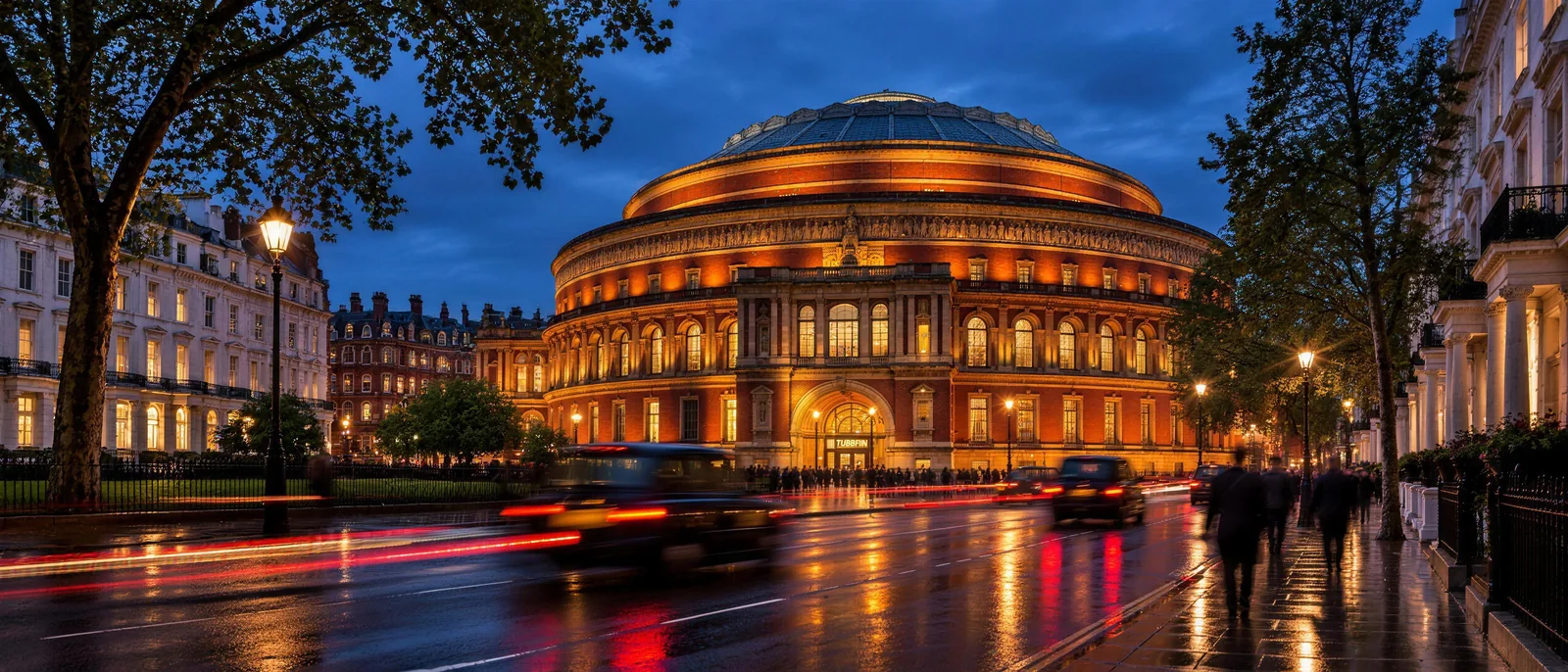
The Albert Hall doesn’t wait, and neither does the caller.Three hundred yards away, a hall that seats five thousand empties onto Queen’s Gate. Before it fills, people are ringing for a table at seven. That call comes at ten to six — the same hour your desk is checking in the night’s arrivals. Nobody leaves a voicemail for a restaurant. They ring the next place on the street.
02 — The four lines
Behind that single line sit four trained voices, each with its own knowledge and its own limits. The caller never chooses — the system places them, and hands between them mid-call without hold music and without asking anyone to ring back. Tap any of them and talk to it now, in this browser.
01
Answers everything first, because one number carries everything. Places the caller in a sentence or two — room, table, event, concierge, supplier — deals with what it can and hands the rest straight across. Knows the house, the hours, the Albert Hall, the museums, and when to stop and fetch a person.
Try asking“Have you got a room for Friday?” · “How far is the Albert Hall?”
02
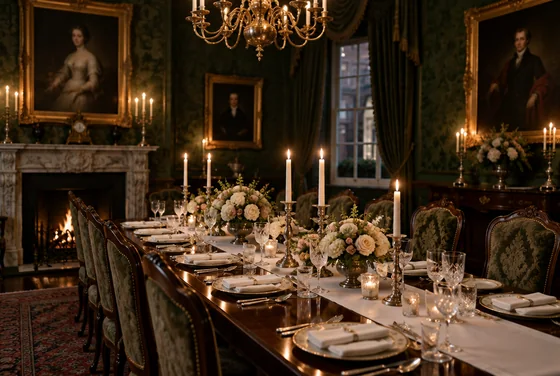
The line that pays for the rest — and the one currently queuing behind room enquiries. Qualifies properly: numbers, date, seated or standing, budget band, who signs it off. Flags festive and wedding enquiries as urgent so they reach your team while the date is still there to be had.
Try asking“A private dinner for thirty in December?” · “Do you do weddings?”
03
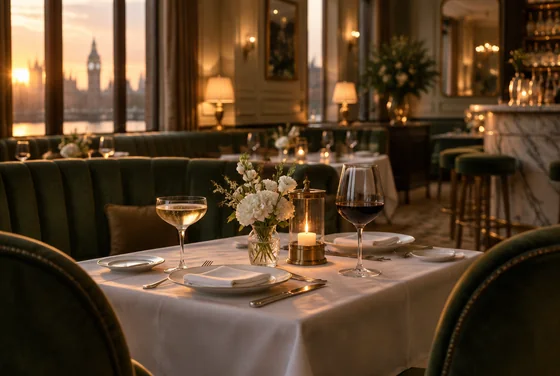
The pre-theatre line. Knows dinner runs Tuesday to Saturday until nine, that the bar goes to one, and what time you have to sit to make a half-seven curtain. Records dietary requirements word for word and passes them to the kitchen rather than reassuring anyone.
Try asking“A table before the Albert Hall at 7.30?” · “Is the salmon gluten free?”
04
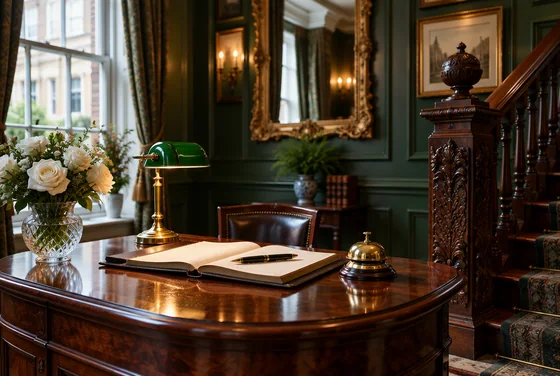
For the fifty rooms upstairs. Towels, the Wi-Fi, a late check-out, a tap that won’t stop — and the concierge questions a Kensington hotel actually gets: the museums, the Hall, a cab at eleven. Anything that sounds like a complaint is acknowledged properly and handed to a person inside forty seconds.
Try asking“Extra towels for room 12?” · “Can you get us a cab to the V&A?”Illustrative transcript. The handover happens inside the same call — the caller is never asked to ring another number.
03 — Beyond the call
Not everyone wants to talk, and nobody wants to be sent to a form. When a call can't be taken, or a guest would rather type, the same system continues on WhatsApp — on your number, in your voice, with everything it learned on the call still in hand.
Illustrative conversations on a demonstration number. Scroll the phone — it behaves like a real thread.
Demonstration thread · not a live conversation
The bar is open until one. The line that takes its bookings isn’t.Bar 190 runs to one in the morning, six nights a week. Private dining and weddings have no published price at all, so every one of those enquiries has to reach a person before anyone can say yes. Which makes the bookings worth the most the ones most likely to be missed.
04 — Explore the potential
Keep your team focused on the guest in front of them. Give after-hours enquiries a clear next step, with the details ready for the right person. Move the sliders — these are illustrations, not promises.
Directions to the Hall, check-out times, the museums, Wi-Fi, luggage. Routine questions handled, so your people can stay with the guest at the desk.
Calls a day × 3 minutes each × 30 days. Three minutes is a conservative average for a routine enquiry answered well. We'll rebuild it from your own call records before anything is agreed.
Answer at ten to six, seat them at quarter to seven. Dietary requirements flagged to the kitchen, the table held, and nobody walks to the next place on Queen’s Gate.
Covers × £40 a head, food only — drinks and service excluded, and deliberately conservative for a Kensington dining room. We’d rebuild it from your own average spend before anything is agreed. The point isn’t the number; it’s that the call arrives in the one hour nobody can take it.
Who called, what they need and what happens next. A useful record for your team, without asking the guest to start again.
Explore the morning handover ↘A useful starting point. Your numbers make it real. We'll rebuild these illustrations around your call volumes, workflows and booking data before agreeing a scope.
Before you ask
If they ask, it tells them — immediately and without fuss. We don't build agents that dodge the question. In practice most callers don't ask, because it answered in one ring and knew what it was talking about. Disclosure is a design rule here, not a legal afterthought.
It says so and gets a person. It will never quote a rate, confirm availability, invent a policy, or tell a guest a dish is free of an allergen. Every unknown becomes a captured question and a callback with a real time on it. Complaints always go to a human — it acknowledges once, takes the guest's own words down, and hands over.
Not a replacement for your people — the opposite. One published number carries the hotel, the restaurant, the bar, events and the concierge. At ten to six on a concert night, all five of those ring at once while somebody is checking in. What you’re buying is the second and third conversation, so the person at the desk gets to stay with the person at the desk. Same at eleven at night, when the bar is open and the office isn’t.
You hear it happen. It says who it’s bringing in and why, there’s a short tone, and the next voice is audibly a different person who already has everything you said — no hold music, no repeating yourself, no second number. It also expects to be interrupted: talk over it and it stops, the way a person does. If it genuinely can’t tell whether you want a table or an event, it asks rather than guesses, because guessing is how these things embarrass you.
Less than you’d think: which hours, who owns each kind of enquiry, your actual policies on the handful of things guests ask most, and someone to sign off the words before a single call goes live. Roughly one conversation and one review pass — we do the technical work. And yes: you can switch it off in minutes, from your side, without calling us. Recording is disclosed in the greeting, and WhatsApp continues conversations the guest started, which is service rather than marketing. We’d want your data-protection people in the room during setup, and we’d rather they pushed back early than late.
05 — The next step
You've already talked to four of them on this page. The only thing left to find out is what they do with your actual calls — and there is a cheap, reversible way to find that out before anything is binding.
A scoped build, a go-live date, and a live test before you commit to it.
We agree the scope and the date. Before any of it binds, we point one line — we’d suggest the restaurant and bar, because that’s where the clock is tightest — at a real number for two weeks. You watch what comes back. If it isn’t obviously worth it, we stop and you owe nothing.
The parts of this are built on components already running for UK businesses; this is the hospitality configuration of them. On the investment, we'll put a real number in front of you on the call, once we know which lines you want and how the volume actually falls — not before. We won't tell you what it pays back until we've seen what your phone actually does.
Or however’s easiest: 07516 920727· piers@motionflow.uk· WhatsApp
Fifteen minutes. No preparation, no deck, nothing to install. Bring whoever actually answers the phone — they'll have the sharpest questions.